Kerawalapitiya Fire: Unkept Promises Fuel Sri Lanka's Waste Crisis
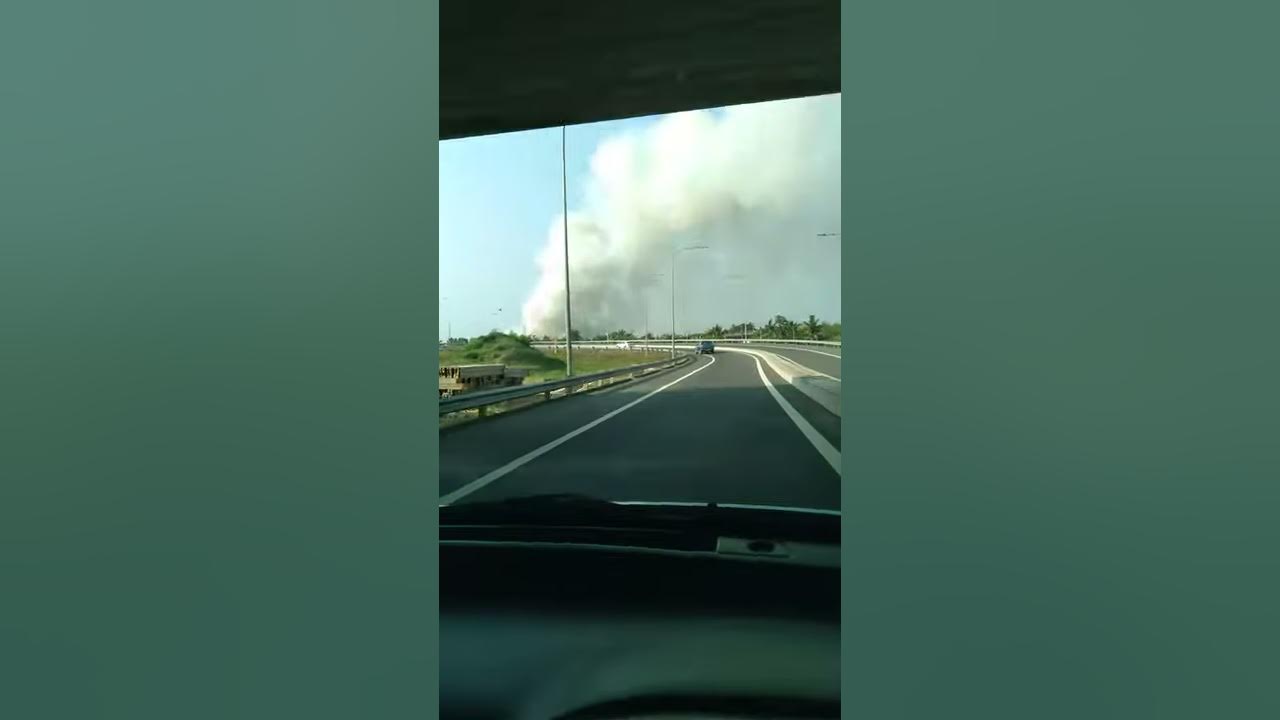
The recent inferno at the Kerawalapitiya waste disposal site has once again cast a harsh spotlight on Sri Lanka's perennial waste management crisis. What began as a local incident, with flames erupting from a colossal 60-meter high mound of waste, quickly escalated into a national emergency, blanketing the capital in a pall of thick, acrid smoke. This isn't just a tale of a landfill catching fire; it's a stark reminder of broken political promises and a systemic failure to address an escalating environmental catastrophe. The
incendie décharge kerawalapitiya (Kerawalapitiya landfill fire) is a symptom, not the disease, revealing deep-seated issues that threaten public health and ecological stability across the island nation.
The Blazing Truth: Unpacking the Kerawalapitiya Inferno
On February 18th, reports emerged of a fire breaking out at the Kerawalapitiya waste disposal site. Eyewitnesses described flames engulfing a massive pile of accumulated refuse, primarily fueled by highly flammable polythene and plastic waste. The sheer scale of the blaze presented an immediate and formidable challenge to emergency services. Colombo Fire Brigade, alongside fire fighting units from the Sri Lanka Navy, were swiftly dispatched to the scene. However, the rapid spread of the fire, exacerbated by strong winds and the combustible nature of the waste, quickly necessitated aerial support.
Helicopters, including Bell 412 choppers and units from the Sri Lanka Air Force, were summoned to conduct water bombing operations, a desperate measure to control the raging flames. Despite these concerted efforts, the fire proved stubbornly resilient, continuing to burn for days, its reach extending into difficult-to-access areas within the sprawling dump. The constant release of thick smoke and hazardous fumes not only created immediate air quality concerns for nearby residents but also presented a significant health risk, hinting at the broader, long-term environmental consequences of such recurrent disasters. For more details on the efforts to contain this specific fire, read
Kerawalapitiya Landfill Ablaze: Choppers Tackle Plastic & Polythene Fire.
A Smouldering Legacy: The Roots of Sri Lanka's Waste Crisis
The Kerawalapitiya blaze is not an isolated incident but part of a disturbing pattern, mirroring similar landfill fires across the region, including recent occurrences in New Delhi, India. The primary catalysts for such fires are often a dangerous cocktail of environmental factors and inadequate waste management practices. Extreme heatwaves, a growing concern globally, accelerate the decomposition of organic waste within landfills, leading to an excessive buildup of methane gas. Methane, a potent greenhouse gas, is highly flammable, and when combined with dry, hot weather conditions, it creates an explosive environment ripe for spontaneous combustion.
Furthermore, the significant proportion of plastic and polythene waste in dumps like Kerawalapitiya acts as a super-accelerant, turning a smouldering fire into a raging inferno. This issue of mixed waste, with insufficient segregation at the source, compounds the problem, making both prevention and extinguishment incredibly difficult. The Kerawalapitiya incident, therefore, serves as a stark reminder of a deeper systemic failure in Sri Lanka’s waste management infrastructure – a problem that has been festering for years, with dire consequences for the nation's environmental health and the well-being of its citizens. The recurring nature of these fires highlights that the basic principles of waste reduction, segregation, and responsible disposal are either not being implemented or are failing critically.
Broken Pledges and Political Inertia
The political fallout from the Kerawalapitiya fire has been swift and critical, with the Janatha Vimukthi Peramuna (JVP) leading the charge in condemning the government's perceived inaction. Dr. Nalinda Jayatissa, a politburo member of the JVP, highlighted a crucial point: the Kerawalapitiya incident is not unprecedented. He recalled the tragic Meethotamulla landfill collapse in 2017, an event that claimed lives and brought the nation's waste crisis into sharp focus. In the wake of Meethotamulla, numerous politicians, including the then-Prime Minister Ranil Wickremesinghe, made fervent promises to overhaul the country's waste management system.
Yet, as Dr. Jayatissa points out, "the crisis des déchets is still there and the décharges continue to burn." President Wickremesinghe, now in the highest office, faces renewed calls to honor those past commitments. K. D. Lal Kantha, a JVP member of the Western Provincial Council, passionately urged the President to prioritize these promises over political ambitions, issuing a grim warning: "There is a risk of seeing the country transform into a dump if the government does not take immediate action." Samantha Wijesuriya, the JVP's education secretary, echoed this sentiment, emphasizing the urgent need for a fundamental change in waste management across the nation. The Kerawalapitiya fire, especially its rapid spread due to plastic and polythene, starkly reveals these long-standing failures. To understand more about the specific role of plastic waste in these fires, see
Kerawalapitiya: Polythene Fires Expose Sri Lanka's Waste Management Failures.
The collective voice from the JVP and other concerned citizens underscores a critical lack of governmental accountability and foresight. The repeated cycle of promises followed by inaction has created a sense of despair among the populace, who bear the brunt of polluted air, contaminated land, and the ever-present threat of another such environmental disaster.
Forging a Sustainable Path: Solutions for Sri Lanka's Waste Management
The Kerawalapitiya fire serves as an urgent wake-up call, demanding not just containment but fundamental, systemic change in Sri Lanka's approach to waste. Addressing this multifaceted crisis requires a comprehensive strategy that moves beyond mere damage control and embraces sustainable practices:
*
Enforce and Expand Waste Segregation at Source: This is arguably the most crucial step. Households and businesses must be mandated and incentivized to separate organic, recyclable (plastic, paper, glass, metal), and non-recyclable waste. Public awareness campaigns are essential to foster behavioral change.
*
Invest in Modern Waste Processing Infrastructure:
*
Composting Facilities: For organic waste, which constitutes a significant portion of municipal solid waste, robust composting facilities can reduce landfill volume and produce valuable fertilizer.
*
Recycling Plants: Investment in state-of-the-art recycling facilities for plastics, paper, and other materials can transform waste into resources, fostering a circular economy.
*
Sanitary Landfills: Where landfills are unavoidable, they must be engineered as sanitary landfills, featuring proper lining, leachate collection systems, and methane gas capture facilities to prevent environmental contamination and harness energy.
*
Explore Waste-to-Energy (WtE) Solutions: While controversial, well-managed WtE plants can process non-recyclable waste, reducing landfill dependency and generating electricity. Strict environmental regulations and emissions monitoring are critical for their safe operation.
*
Strengthen Policy and Enforcement: Robust national and local policies, coupled with strict enforcement mechanisms, are needed to regulate waste generators, collectors, and processors. This includes banning certain single-use plastics and promoting eco-friendly alternatives.
*
Promote Public-Private Partnerships: Collaborating with private sector expertise can bring innovation, investment, and efficiency to waste collection, processing, and recycling initiatives.
*
Education and Awareness: Continuous educational programs are vital to inform citizens about the importance of responsible waste disposal, the 3Rs (Reduce, Reuse, Recycle), and the environmental impact of their choices.
*
Political Accountability and Long-Term Vision: Crucially, politicians must move beyond short-term promises and commit to a long-term, national waste management strategy with measurable targets and transparent progress reporting. Public pressure must be maintained to ensure these commitments are honored.
The Kerawalapitiya fire underscores that the cost of inaction far outweighs the investment required for sustainable waste management. It's a matter of environmental justice, public health, and the future prosperity of Sri Lanka.
Conclusion
The Kerawalapitiya landfill fire is more than just an environmental disaster; it’s a glaring symbol of a nation grappling with its waste. Fueled by years of neglect, a lack of cohesive policy, and a trail of unfulfilled promises, the recurring infernos in Sri Lanka's dumps are not merely "accidents" but predictable consequences of systemic failures. The immediate efforts by the fire brigade, navy, and air force to contain the blaze are commendable, but they address only the symptom, not the root cause. It is imperative for the government to heed the warnings, embrace sustainable waste management solutions, and finally honor the pledges made to its citizens. Without a paradigm shift towards responsible waste handling, driven by robust policy, technological investment, and community engagement, Sri Lanka risks turning into the very "dump" that critics so fear, with devastating consequences for its people and its precious environment.